
Some “Wow!” moments from my life around computers
Today’s young people have been with computers their entire life, and they can’t envision a world without them. But I was born before the personal computer revolution; I’ve spent my formative years without ever using a computer. This gives me two benefits: first, I actually had a real life in the real world as a kid (as someone put it, “Thank God I had my childhood before technology took over”); and second, I got a first-row seat to view the incredible progress of computing technology in the past half-century.
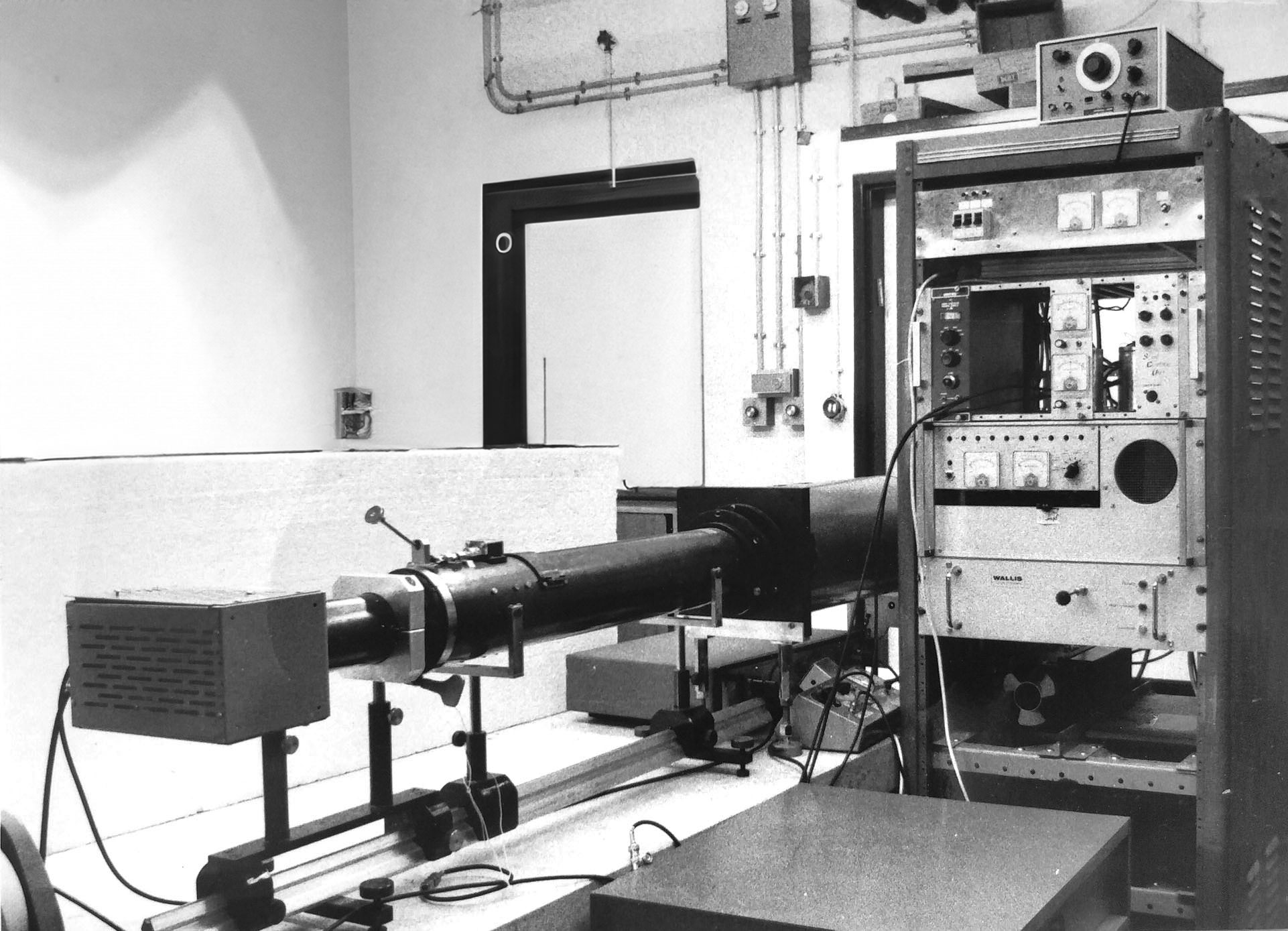
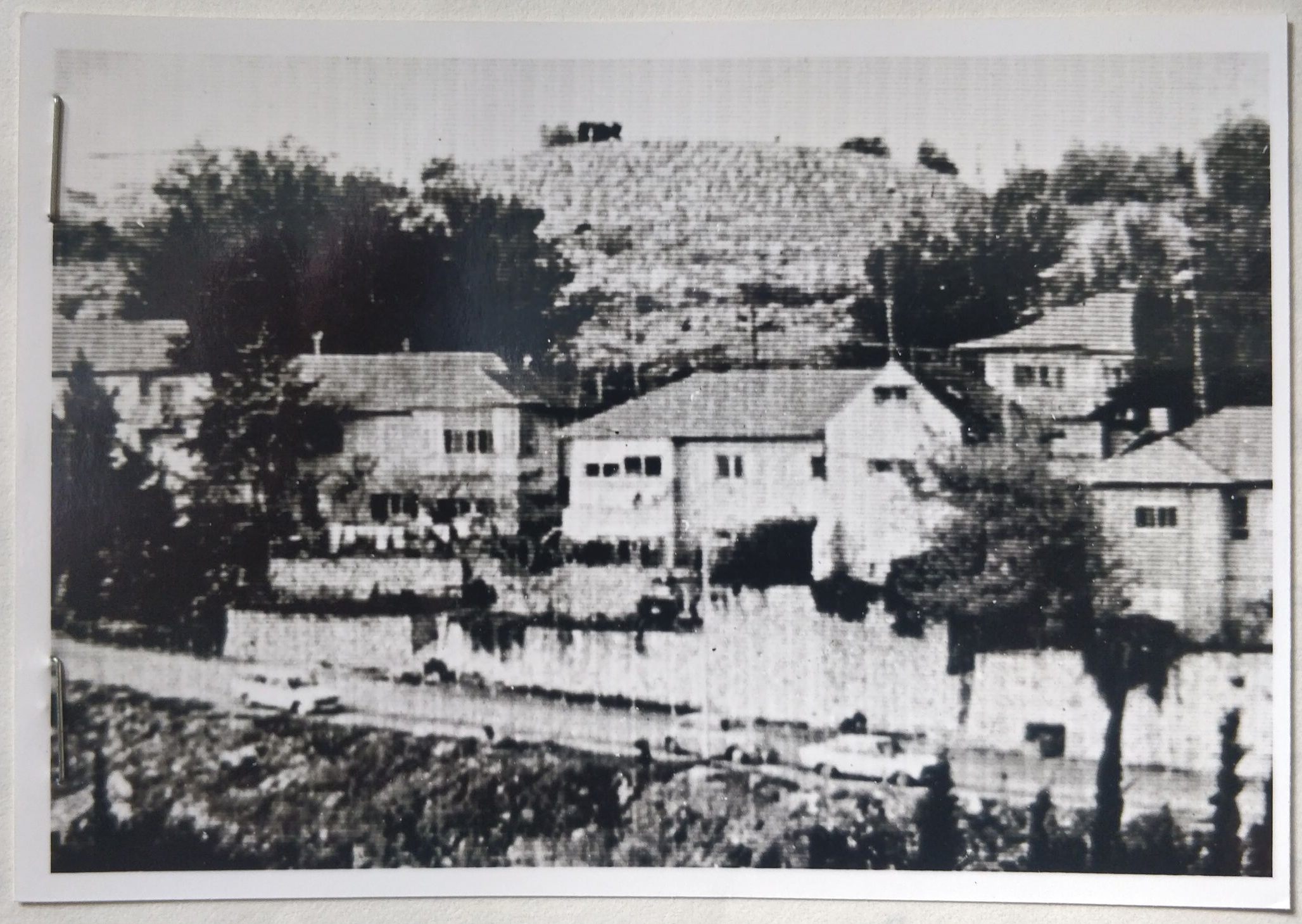
To give you an idea of this progress: the first photo above is the first computer image scanner I ever met. It comprised the optical system on the bench and all the electronics in the cabinet. I had to build it myself, in 1975, as part of my MSc dissertation in Electro-Optics. It cost my professor thousands of dollars, only to get the image quality seen in the photo at the right. And today, like you, I have a 20MP color camera in my phone. I’ve seen the state of the art come a long way… just saying.
In this article I share a series of vignettes from over fifty years of computing, capturing memorable “Wow!” moments that have impressed me when I first ran into new innovations. Most may seem trivial in the grander scheme of things, certainly in hindsight, but there was sheer joy in seeing them for the first time back in the day!
1968: A giant electronic brain!
My first encounter with a computer was not really an encounter: I never laid eyes on the thing. I joined a computing class in high school, where after months of study we were each allowed to submit one (1) program to the Hebrew University’s mainframe computer. This beast (I think it was an IBM 1401) was ensconced in its climate-controlled hall and mere mortals were allowed nowhere near it; they could only read about these machines in the papers, where they were called “electronic brains”. Can you imagine our excitement when we, mere kids, were allowed to actually interact with such an amazing contraption?!
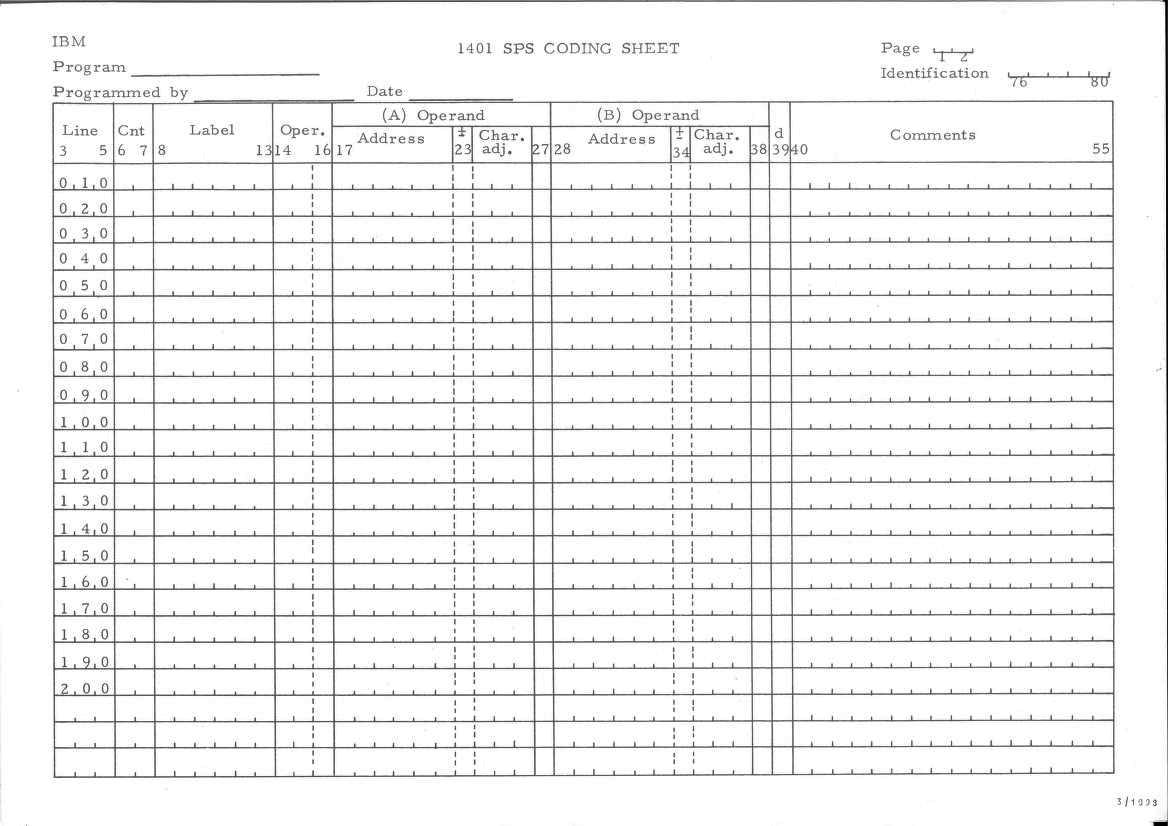
The programs we wrote were coded in assembly language on a special form, which the teacher then submitted to be punched and run on the machine. I forget what my program was supposed to do – probably some trivial task like listing the first few squares – but I do recall that it failed to do it: it had a bug. My first bug – out of a great many to come. Ouch!
1970: Wireframe 3D displays
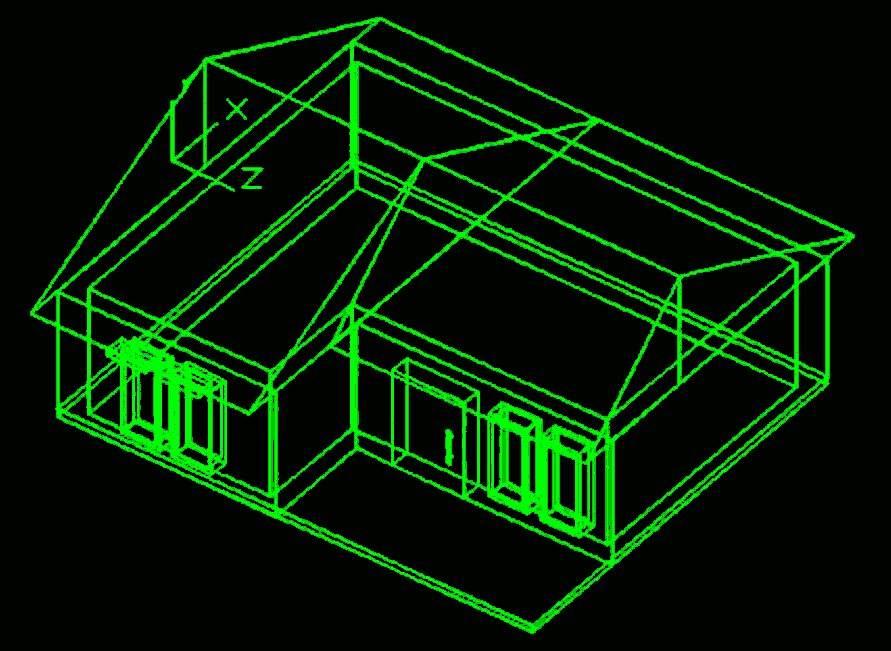
By 1970 graphic displays were already a thing, if a very expensive one. They used cathode ray tubes with phosphorus screens, and the vector images painted on them were often in a beautiful vivid green on a black background.
I first saw these displays in ads and articles in magazines like Scientific American. They showed off 3D images, drawn as “Wireframes” of geometrical solids, houses, and waves. All drawn automatically by a computer! I think that what really got to me was simply how lovely they were, aesthetically speaking. I was a geek, remember…
1970: Electronic desktop calculators
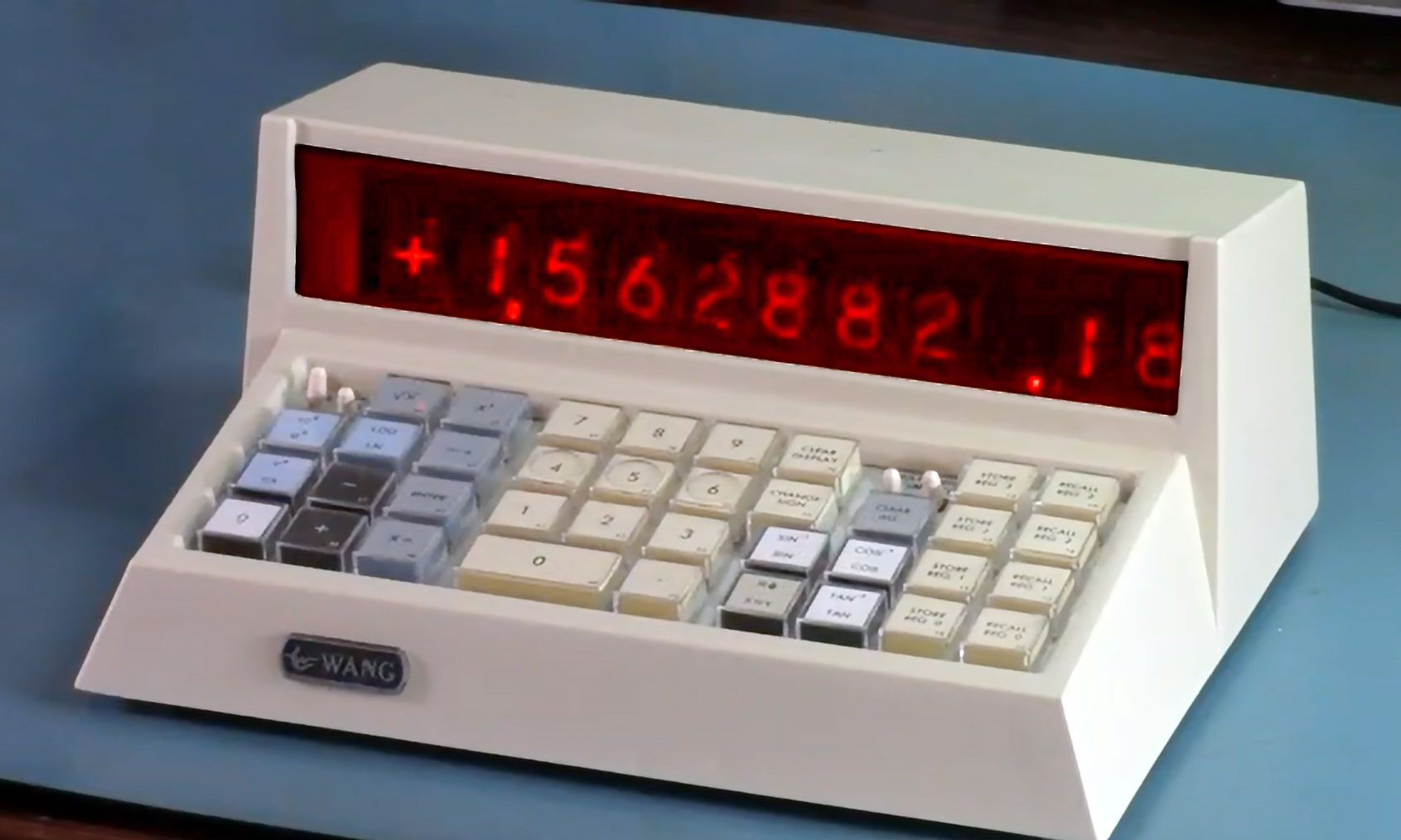
I first ran into electronic calculators when I started my Physics studies. The students lab had a couple of these Wang 300 desktop calculators. I remember vividly how weird they looked in their blocky enclosure and with the blocky keys Wang Laboratories had favored in its early computers. Of course, their main impact was that they could calculate much faster than our slide rules, and to a much higher precision. And they had those hauntingly beautiful Nixie tube displays!…
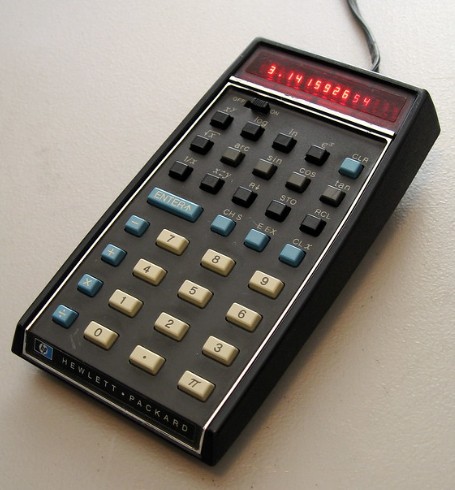
1975: Handheld scientific calculators
The calculator that sent slide rules to the dustbin of history was the Hewlett-Packard HP-35, the world’s first “Electronic slide rule” (as HP called it in their marketing materials, to leverage the term familiar to their target market). This was the first scientific calculator, capable of doing trig functions, logs, powers, and so on, which we previously had to slave over with logarithm tables. It cost $400, a very hefty sum for a student. In fact I only got to see one when a classmate who came from America brought it in; we were all green with envy!
1978: DEC VT100 terminal
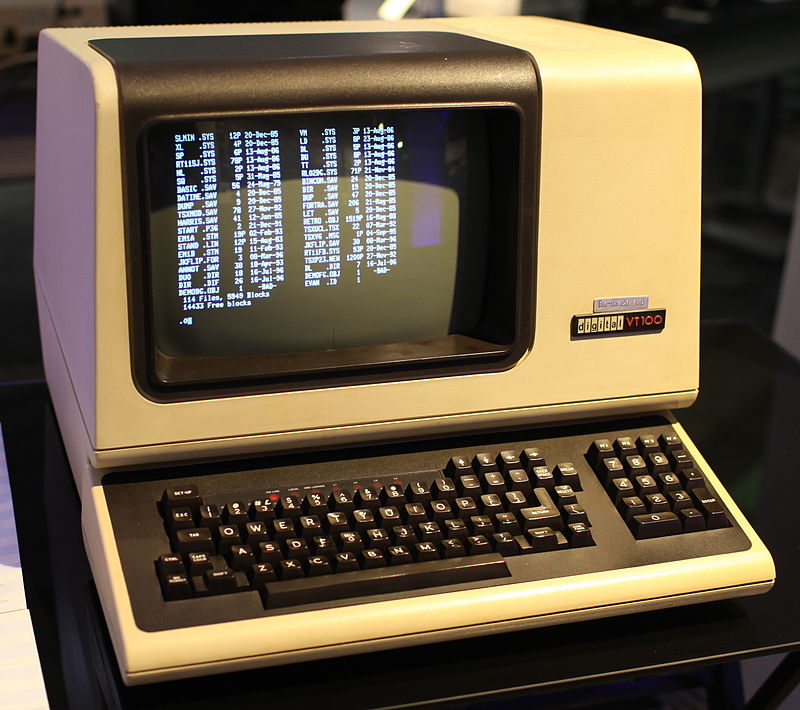
Soon after I started my first job I got my first exposure to computer terminals. The computer was a PDP 11/70, a minicomputer that served the entire department; we talked to it through these Digital VT100 terminals.
Naturally I fell in love with the VT100. For someone used to submitting jobs on decks of punched cards and getting the printout of the results the next day, it was a whole new experience. The convenience would be there with any make of terminal, but this model was a top quality piece of equipment, with an assertive keyboard and a crisp monochrome display in an aesthetically pleasing case. I became so addicted to KED (Keyboard EDitor), a text editor that took advantage of this terminal’s keypad, that I would use emulators that replicated its commands on my personal computers for many years to come.
1979: Surrogate travel
In 1979 the head of our lab – who was a very resourceful guy – managed to get his hands on a LaserDisc player. This was the earliest optical disc system, and it played huge discs 30 cm across. Of course we had no recorded media to play on it, except for one: it came with the Aspen Movie Map.
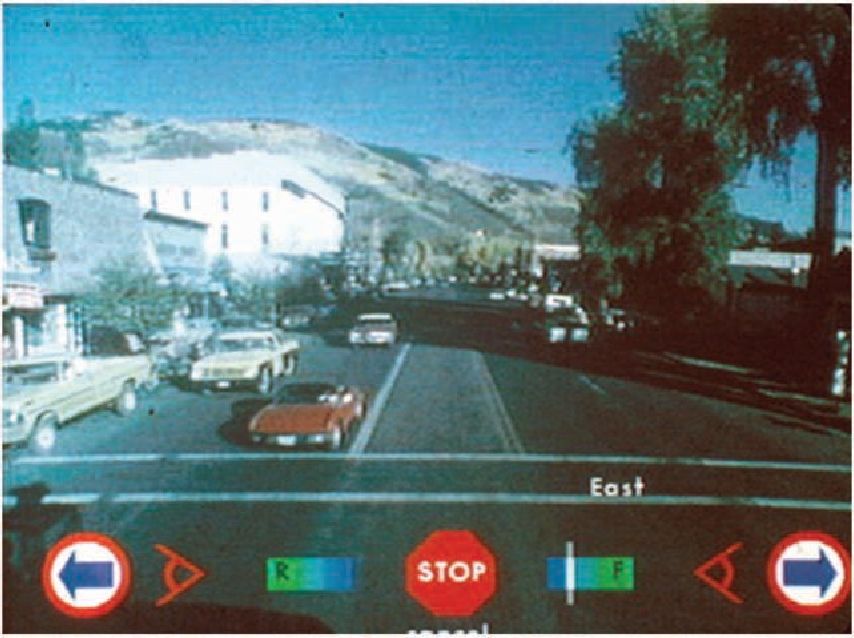
The Aspen Movie Map was a hypermedia system developed at MIT that enabled the user to take a virtual tour through the town of Aspen, Colorado. As the screenshot above shows, it was based on analog video, recorded by a car that traversed every street in town; a bit like Google Street View, but with (jumpy) motion. The user could navigate around town and was shown the view in whatever direction they were looking. You can see a sample video of it here. Pretty impressive, for 1978!
It was referred to as “surrogate travel”, but today we’d call it Virtual Reality. A very early kind of VR, to be sure, but at the time we’ve never seen anything like it; it was pretty much the stuff of Science Fiction, and we had it to play with right in our lab!
1979: Pac-Man!
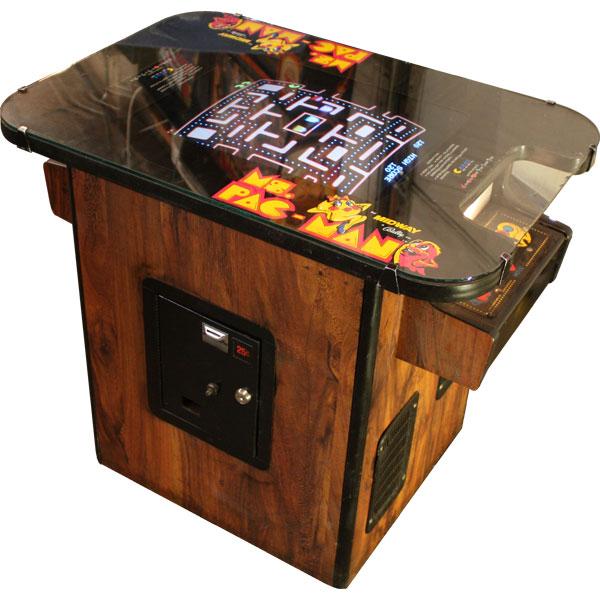
I first saw Pac-Man (or any arcade video game, for that matter) in 1979, in a club that hosted American servicemen in Israel. It was the “cocktail table” version, with the Cathode Ray tube under a transparent tabletop and controls on either side. It was completely new to me at the time… a time when American life was still something foreign and strange. What a thing!
1982: A real portable computer
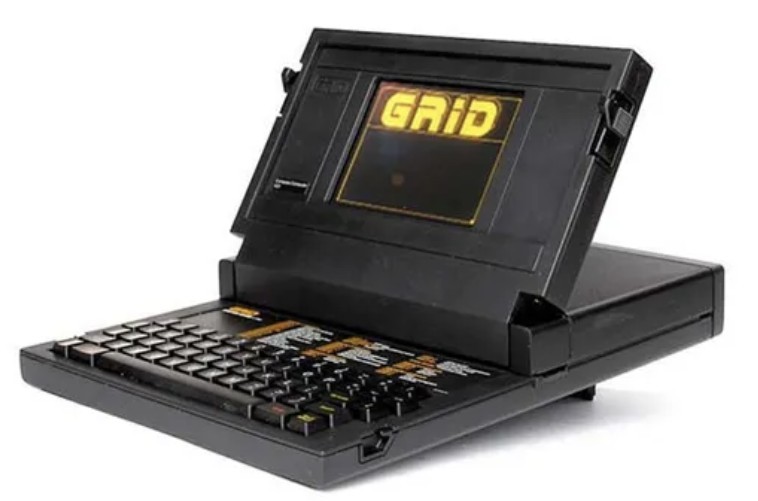
In 1982 we already had Home Computers like the Apple II, and Personal Computers were inching into the workplace; but the closest we had to a portable computer was the Osborne 1, which was about as portable as a heavy little suitcase – “luggable” was the better term.
And then I saw the Grid Compass. It was in a league of its own: thin, lightweight (well… 4.7 Kg), and with this novel, folding form factor that made so much sense! The 6-inch monochrome display, with 320 x 240 graphics, was extremely good looking with its orange-on-black color scheme. But above all, it was as sleek as a Formula 1 race car – it left the Osborne and the Compaq luggable IBM clone that followed it in the dust! I never got to lay hands on one, but just seeing it was a memorable experience, and a sign of things to come.
1983: Paper-white computer display
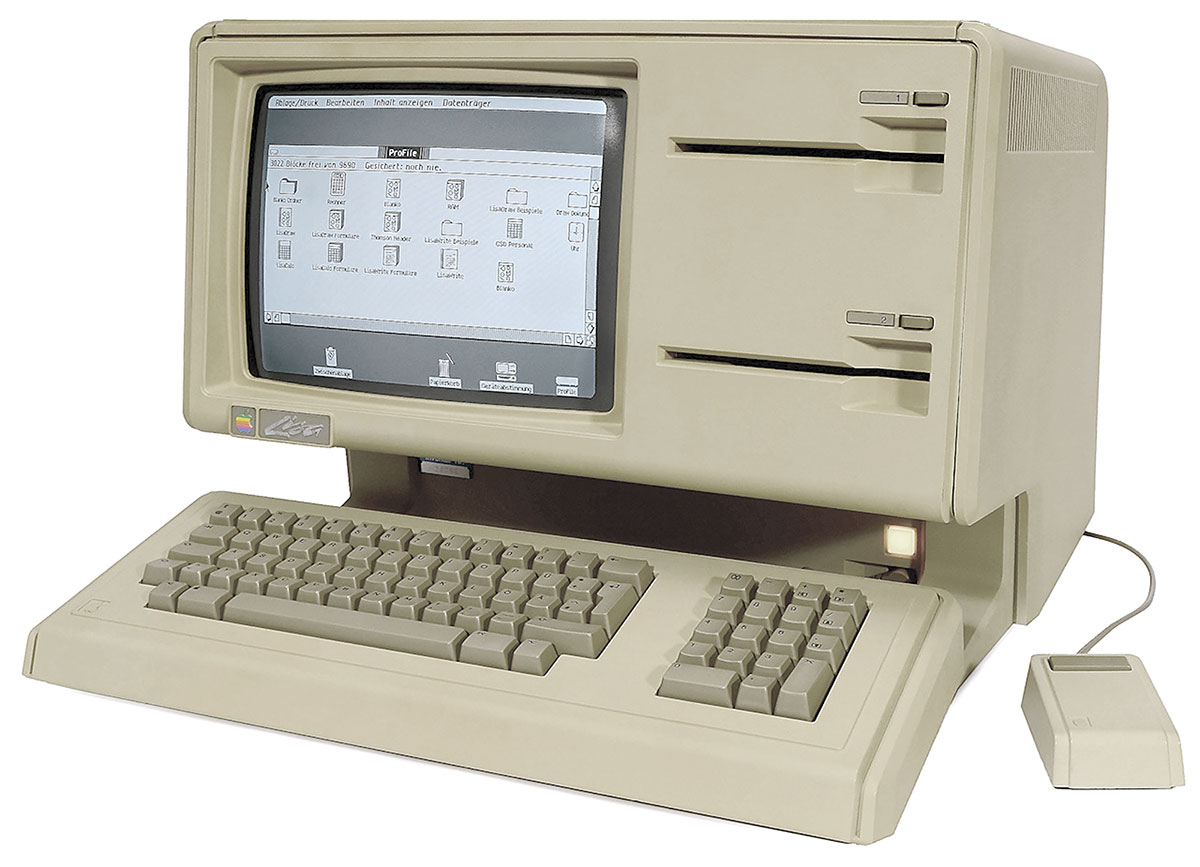
The early home and personal computers all had displays based on TV standards, typically capable of showing around 640×400 or 320×400 pixels in 2 or 16 colors. The scan lines of the electron beam on such a screen were clearly visible, which is why text was always displayed in white (or green, or orange) on a black background, since the black did not show the scan pattern. Then, all of a sudden, the Apple Lisa burst on the scene. It was not a commercial success, but it had a mouse and showcased the graphical user interface that its rivals still lacked, and it showed the same black text on white background popularized a year later by the first Apple Macintosh. And its resolution was so high that the white was continuous, like a sheet of paper with smooth black letter forms or icons or drawings on it.
I don’t remember exactly where I saw the Lisa for the first time, but I remember the shock of seeing that paper-white screen to this day!
1983: Commodore 64
My first foray into home computing was in 1983, when I was on relocation to Silicon Valley. Until then I steered clear of the hobby computing scene, despite being an active electronics hobbyist. I remember thinking, in the mid-1970s, “these micro-computers won’t be of any use unless coupled with a Teletype (i.e., a keyboard and a printer), and no private citizen will ever be able to afford one of those”. I was proven very wrong in 1977 when the Apple II made its debut… a lovely machine, but it cost more than I had to spend.
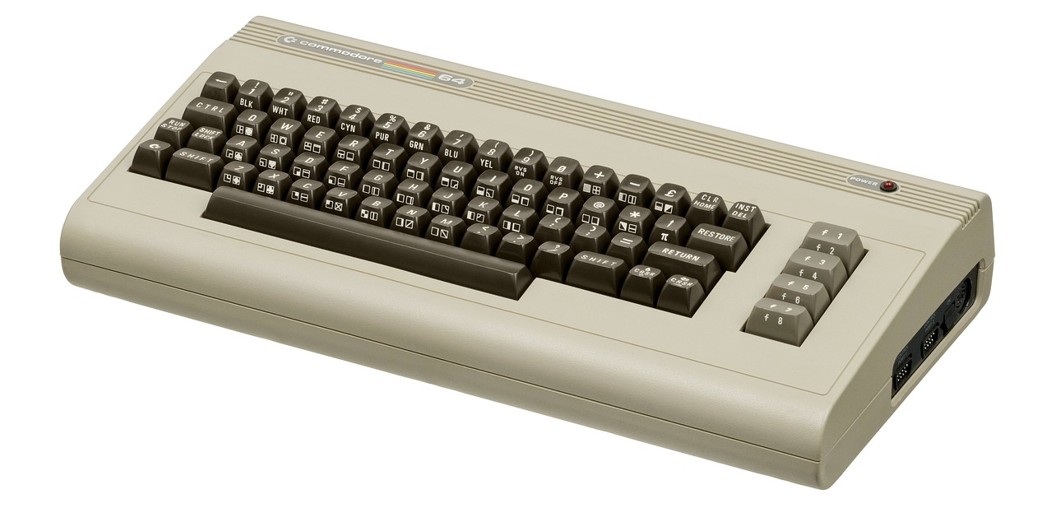
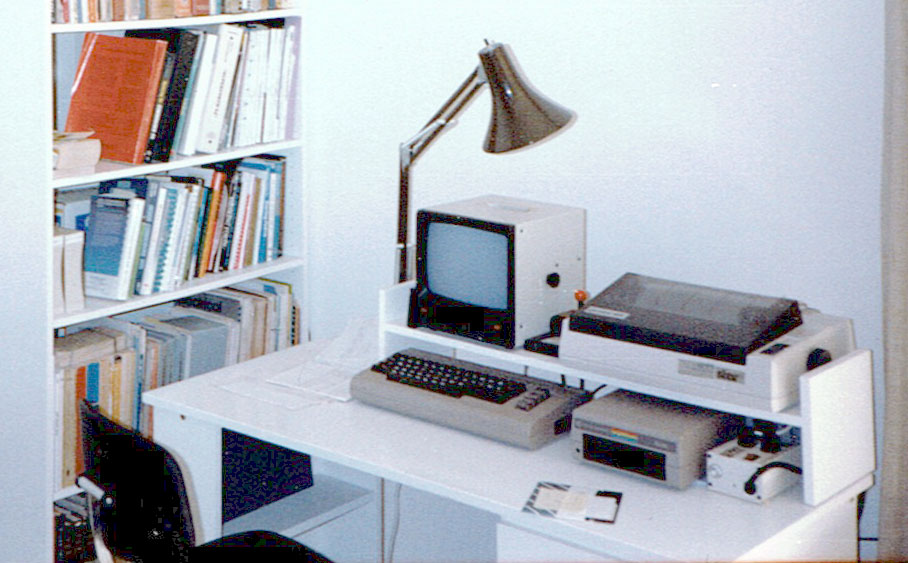
And then, in 1982, the Commodore 64 arrived. This hit the sweet spot of great power – it had a 2 MHz 8-bit processor and 64K (Sixty four thousand bytes! Count them!) of memory; and it only cost some $300. In fact, it was so inexpensive that it was sold in toy and department stores – I bought mine in Toys “R” Us!
My thinking at that point was that this machine was every bit as powerful as the prestigious and way more expensiver Apple II. Turned out that I was right; once I taught myself to program it in BASIC, Forth, Logo, and Assembly Language, I ended up doing some pretty cool stuff on it!
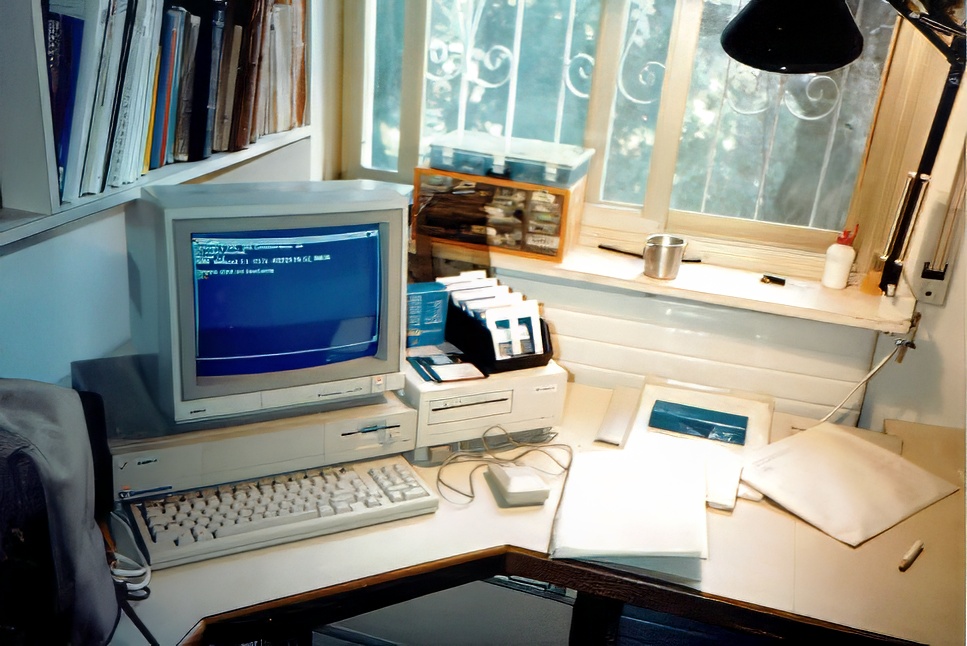
The photo below shows my computer corner in 1985.
1984: Elite videogame
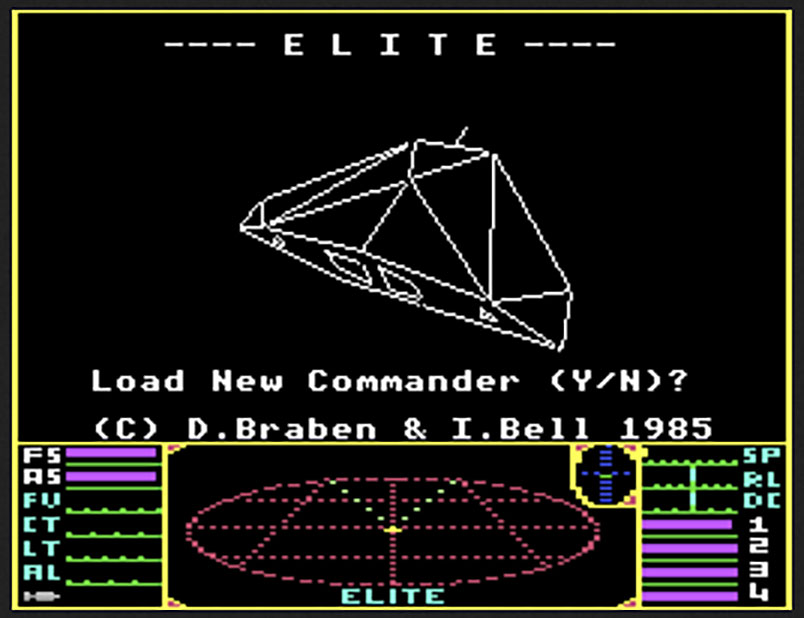
So there we all were, playing Pac-Man and Space invaders and Jumpman with their flat 2D environments when Elite appears in the stores. This presented two innovations. The unprecedented gameplay involved a complex space trading simulation combining logistics, commerce, flight simulation and space combat across multiple planets and galaxies. And this was the first time a home computer game used real 3D graphics. Given the limited power of the machine the spaceships and other space objects were all rendered in wire-frame graphics, and very lo-res ones to today’s jaded eye; but then it was unheard-of, and made for a very engaging, even addictive, game. And it even had upbeat music to boot!
1985: King Tut, Lauren and Boing!
Until 1985, the best graphic images we could coax out or the C64 – which was the best graphics machine you could buy for home use – looked like the ones you see here:
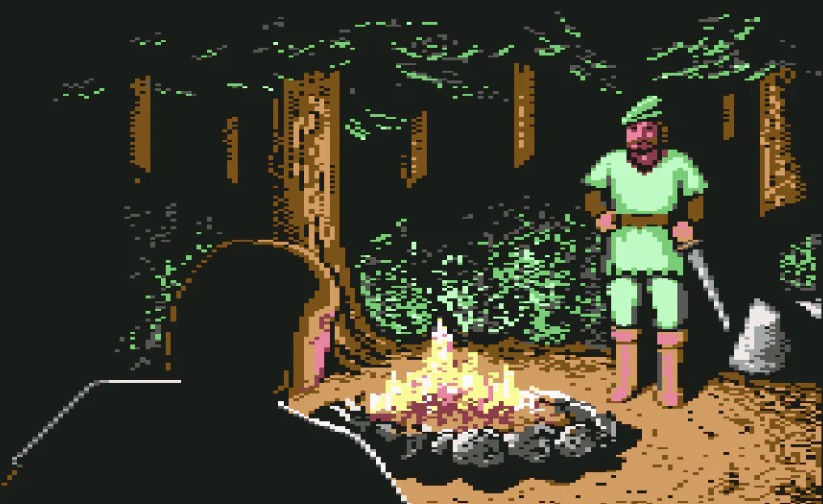
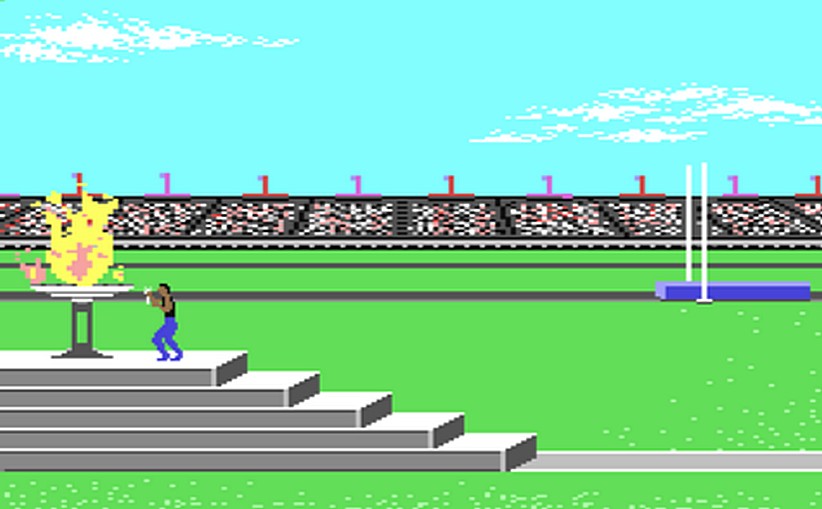
This was fine for the video games of the day, but it was not capable of showing real world photos or videos like you could see on television. And then, in 1985, a computer came on the market that was showcasing these pictures:


This was the Commodore Amiga. It had innovative custom graphics and sound chips that ran circles around any other computer out there, and made it a true hacker’s dream machine. Anyone would be impressed by these images themselves; but I, a hobbyist programmer, was even more excited by the visions of what I could develop on such hardware!
King Tut was the most famous image used to demonstrate the power of Deluxe Paint, the image creation software from Electronic Arts that set the standard for years; the little girl (Lauren, by the filename) was a sample image shipped with NewTek’s DigiPaint, which went further to exploit the full 4096-color palette. Both images showcased what was at the time an incredible leap above the prior state of the art.
And then there was the iconic Boing demo, which pushed the Amiga’s power to the limit by synthesizing in real time a smooth animation – with sound! – of a bouncing ball. Again, any coder was besides themselves with awe.
Seeing these media, I knew immediately that I had to have this machine. Getting an Amiga in Israel was less simple than in the US, but I made the effort, and in 1987 I had one, which gave me years of delight using and coding it. You can see my first Amiga below, and some of my programs here and here.
1987: Ray Tracing for the masses
A big WOW moment came in 1987, when the “Juggler” demo hit the Amiga scene. Check it out:
If you’re into today’s hyper-realistic hi-res video games, this may look like a bad joke… but it wasn’t back then. In fact, it was the most powerful thing seen to that day on any home system. The animation, developed by Eric Graham, was made by the technique called Ray Tracing, where tens of thousands of light rays crisscrossing the scene are computed mathematically to show a realistic view, enabling in this case the reflections in the mirror surface of the balls and the shadows on the ground. The hundreds of thousands of computations would normally require a mainframe or a professional workstation, yet they were made on a Commodore Amiga, and then played back on one. Sure, it took one hour per frame to compute initially, and the juggler is made of spheres for simplicity, but we hobbyists were smitten. Graham went on to release software that could do this sort of thing, and this gave an impetus to the whole field of 3D graphics on microcomputers.
1993: My first CD-ROM!
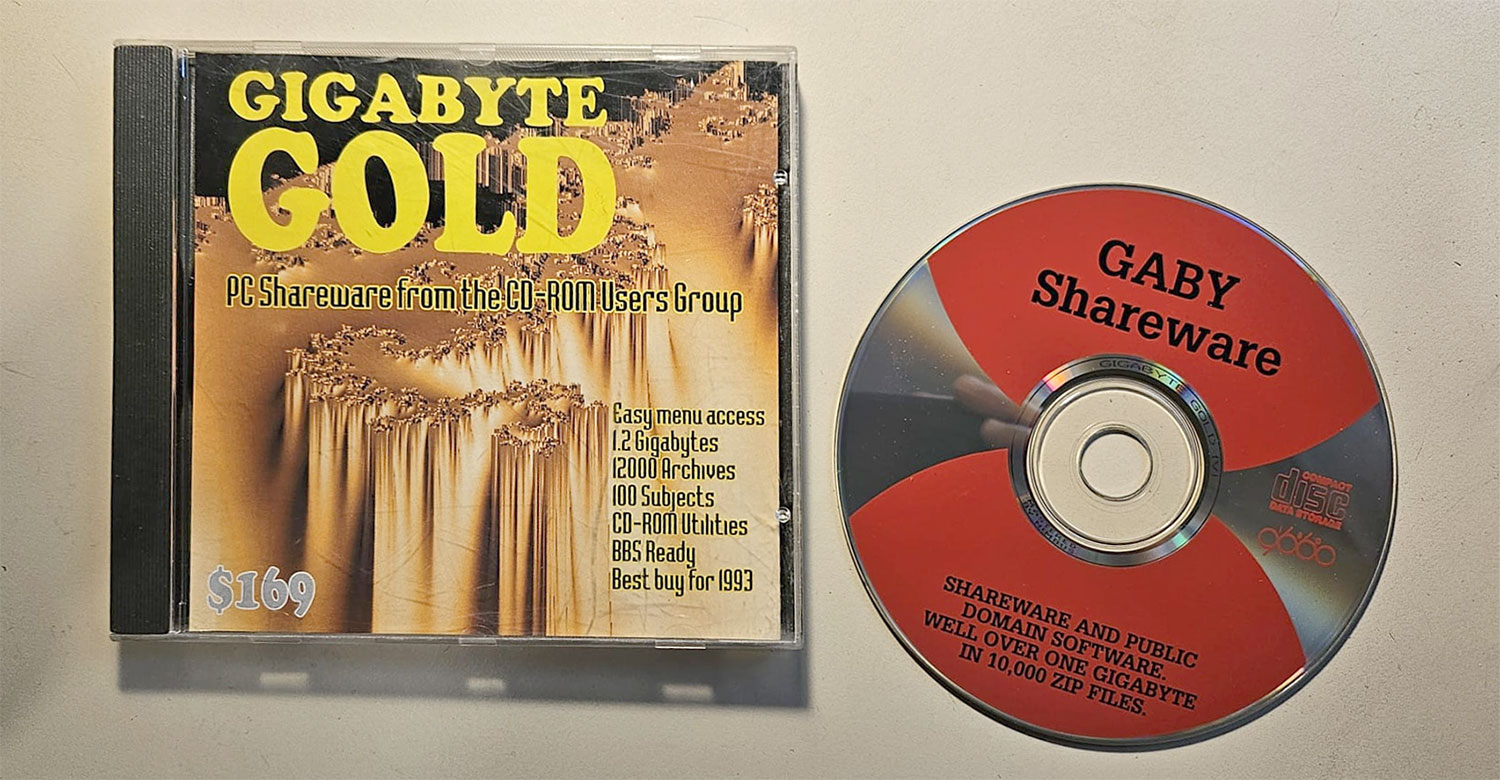
In the early 90’s CD-ROMs became available as a storage medium for home computers, promising over half a Gigabyte of storage. Considering that until then we were making do with 1.44 MB diskettes, this was very exciting. It was during a business trip to the States that I finally got my hands on this amazing technology: I was at a computer swap fair and saw this “Gigabyte Gold”, a CD-ROM claiming 1.2 GB of (compressed) shareware! I loved shareware, and in those pre-internet years had very limited access to it. 1.2 GB, 12,000 archives… it seemed like heaven in a jewel box. I bought it (don’t worry, the price tag was way below the marked $169!). I remember carrying the thing back very gingerly, like it was a fragile crystal goblet… I had no idea then that you can abuse an optical disc very thoroughly before it will stop working.
Incidentally, the 12,000 programs did me absolutely no good… too much quantity and very little quality. Gold indeed!…
1998: The first Blackberry
The Blackberry caught me by surprise. But it was not the PDA/phone that would rise briefly to fame and become known as a “Crackberry” for its addictive nature.
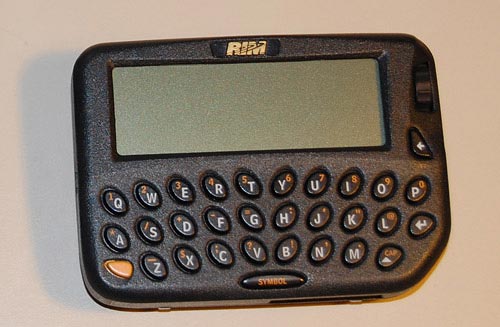
I was visiting the US on another business trip (working for Intel had me zipping back and forth quite a bit), and being in IT, one of the local IT engineers gave me a new device to try out: the one in the image above. It was the model 950, the company’s original product, which was really an advanced pager, not a telephone, and its primary use was to page people in your organization with brief text messages on a tiny screen. Even so it was quite useful: on the very day that I was given it I’d left my sweater in a conference room and rather than backtrack across campus I could text a friend in the room to collect it for me. Such real-time communication-on-the-go, at a time before cellphones became ubiquitous, was a welcome innovation.
Of course, the tiny screen was soon replaced with the full size we expect today, and the Blackberry became the Crackberry that would eventually be replaced by the Smartphone. But the little pager version was pretty cool!
2007: The iPhone UI
Lastly, the iPhone. Or, more to the point, the touch screen user interface paradigm that Apple introduced with it.
Like in other cases, I first bumped into the iPhone during a US work trip. I was walking through a shopping mall and saw an Apple store, and it was demonstrating the just-released iPhone. At the time I was using some blackberry clone, with the tiny keyboard, and I was completely unprepared for what you can do on a Smartphone; in particular the part where you can zoom and pan a photo on the screen with your fingers. I was shocked – in a very good way!
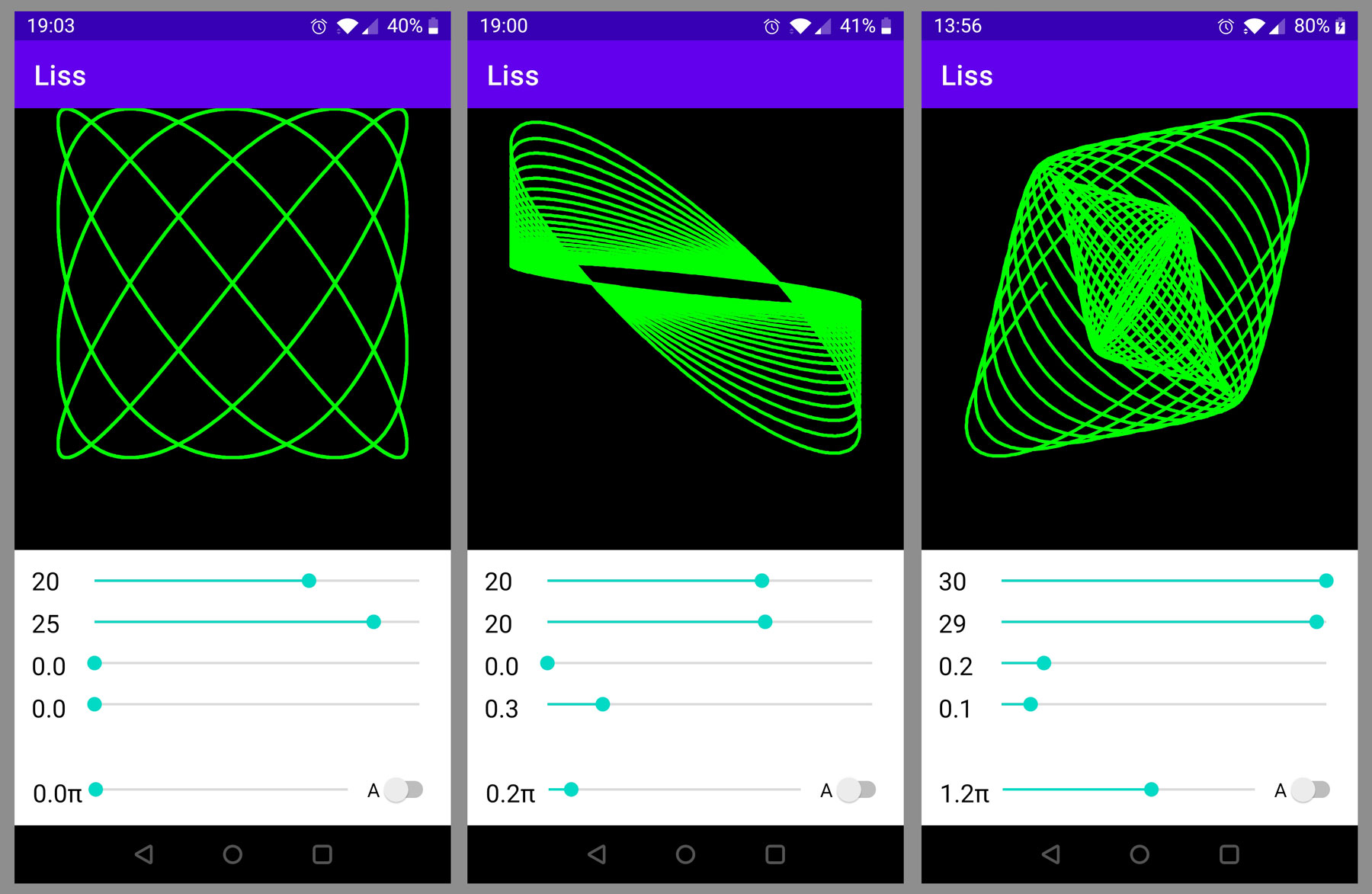
I don’t have a photo from that day, and I’m an Android man myself, but I owe Apple – we all do – for this breakthrough in how we use computers in this day and age. And for fun ways of coding them… here are some screenshots from a program I wrote after teaching myself Android programming during the COVID pandemic. What can I say, I love Lissajous figures!
So what next? This list is certainly not finished. The LLM revolution is a huge deal, but is still too new and raw to add here. And I’m sure new Wows will be coming at an accelerating pace!